

Anyone who has baked fruit-filled cookies or croissants at volume knows the disappointment: the filling boils out, sinks or scorches against the dough. Ordinary jam isn’t built for the oven. A bake-stable filling is — and the reasons are measurable.
Key takeaways
- Bake-stable fillings combine high sugar solids (Brix), low water activity and a heat-resistant gel
- Typical commercial fillings sit around 65–80 °Brix
- Pre-bake and post-bake fillings need different formulations
- A printed top on a filled product adds value without changing the recipe
What “bake-stable” actually means
A bake-stable filling keeps its shape, position and moisture through baking — and often through freezing and thawing as well. Three things make that possible:
- High soluble solids (Brix). Commercial fillings typically run at around 65–80 °Brix; more sugar solids means less free water to boil and run.
- Low water activity. Food technologists aim for a water activity of about 0.85 or lower (with a pH below 4.6 and heat treatment) for shelf stability — and lower still for fillings that must not migrate into dough or chocolate.
- A heat-resistant gel. Pectin is the classic gelling agent, but its type decides how much heat the gel can take; most industrial fillings combine pectin with starches or gums so the filling doesn’t weep or boil out.
Pre-bake or post-bake?
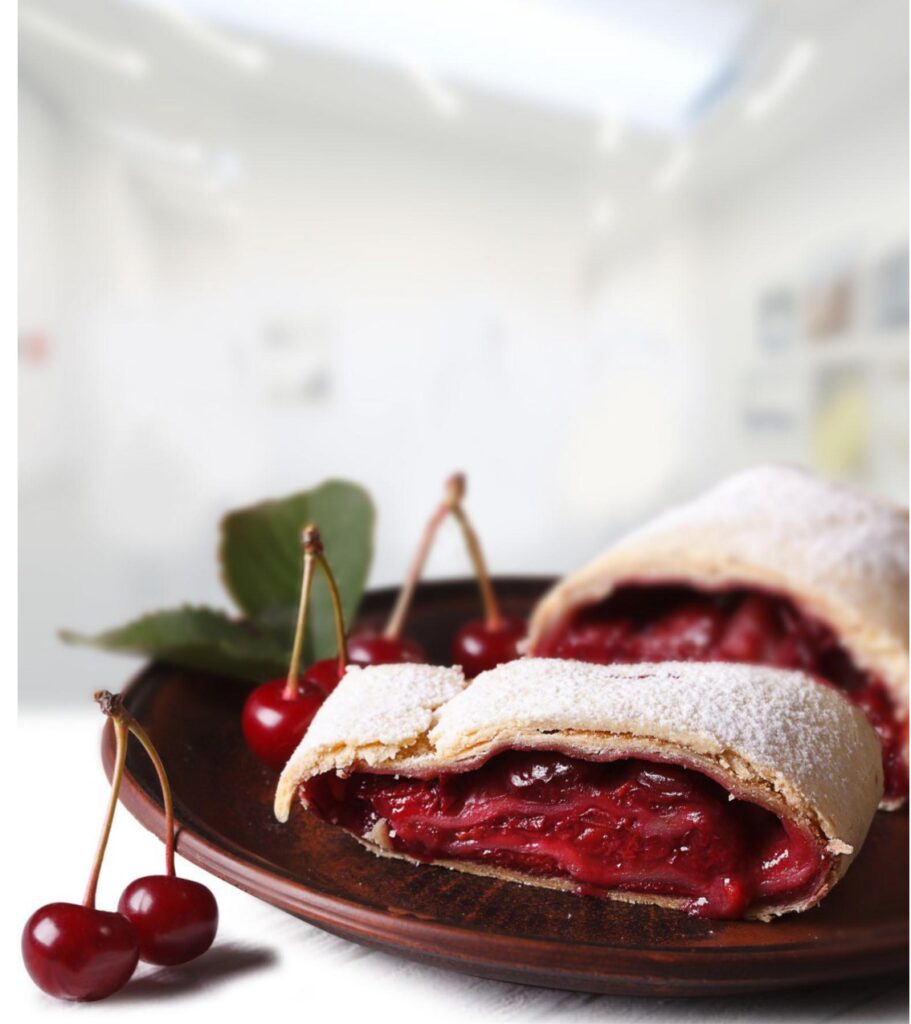
Pre-bake fillings are deposited or co-extruded with the dough and baked together — efficient on a line, but the filling has to survive full oven heat. Post-bake fillings are injected after baking, which is gentler and gives a cleaner centre, but adds a step. The right choice depends on your line, the oven profile and the look you want.
Practical tips from production
- Match filling viscosity to your depositor or nozzle so it pumps cleanly without tailing
- Don’t overfill — a filling flush with the dough edge will find a way out
- Test the freeze-thaw cycle if you bake from frozen: a filling that is perfect fresh can weep after thawing
- Run small bake tests with your own oven profile before scaling up — fruit type and pH change the result
Make it or buy it?
For small batches you can move in the right direction yourself: reduce fruit with sugar to a thick, glossy concentrate, set it firmly with pectin and cool it completely before filling. It won’t match an industrial formulation, but it is a workable way to test a product idea.
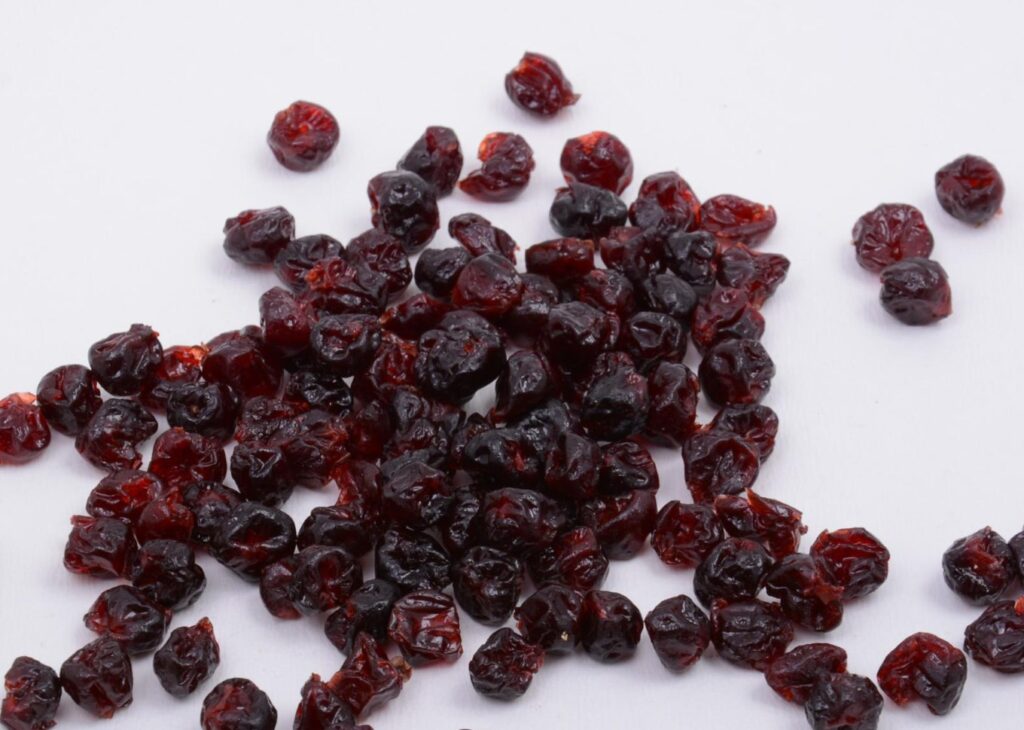
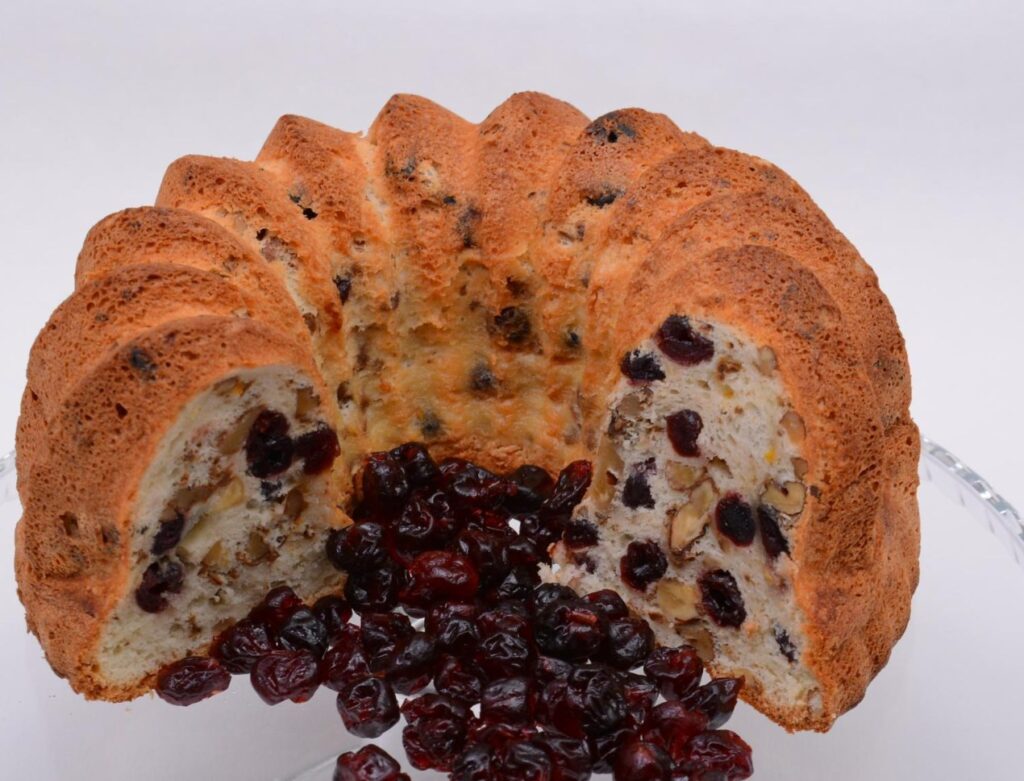
At volume, most producers buy ready-to-use fillings. Through our ingredients partner — a vertically integrated European producer with more than 30 years of experience and around 350 products — we supply bake- and freeze-stable fruit, cream, chocolate and HighBrix fillings, osmotically dehydrated fruit that keeps its colour and texture through a baking tunnel, and full private-label development in six steps from concept to launch. See our ingredients range.
Finish it with a print
Once the product is baked, a printed top turns a filled cookie into a branded or seasonal product — a logo, a name or a Christmas design — without touching the recipe. That is where a filled line and a food printer work together.

Planning a filled-and-printed line?
Tell us your product and volumes — we match the filling, the inclusions and the printer to your oven and your customers.
Written by Zoran Obradović and the Printeat team. Figures from customer case studies are reported results from the companies named; market figures are cited at the end.


